Outdoor Learning for Students with Disabilities, with Kesia Micheletti

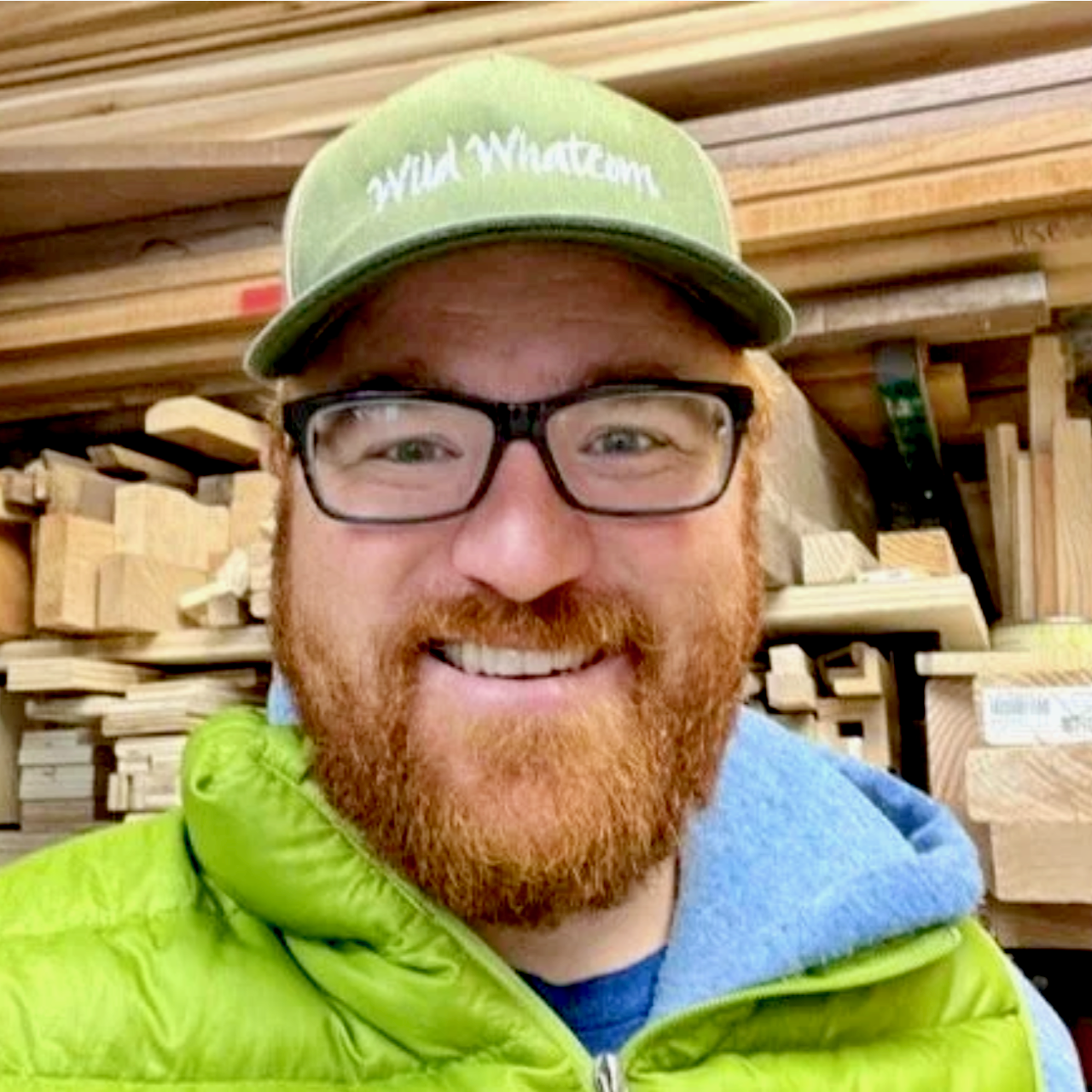
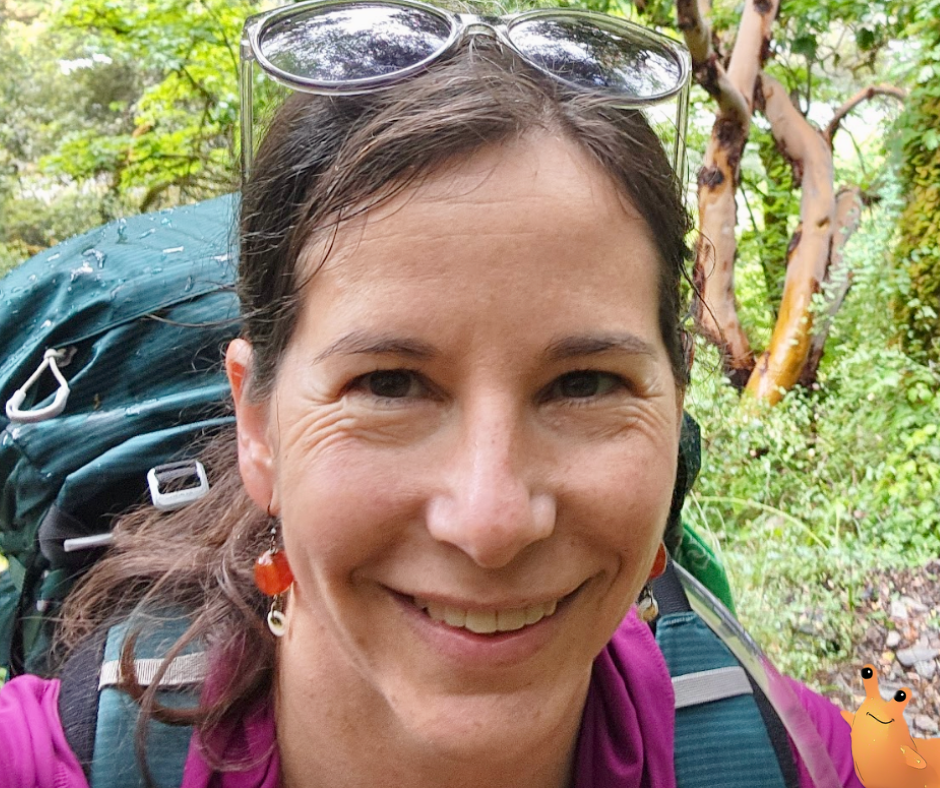
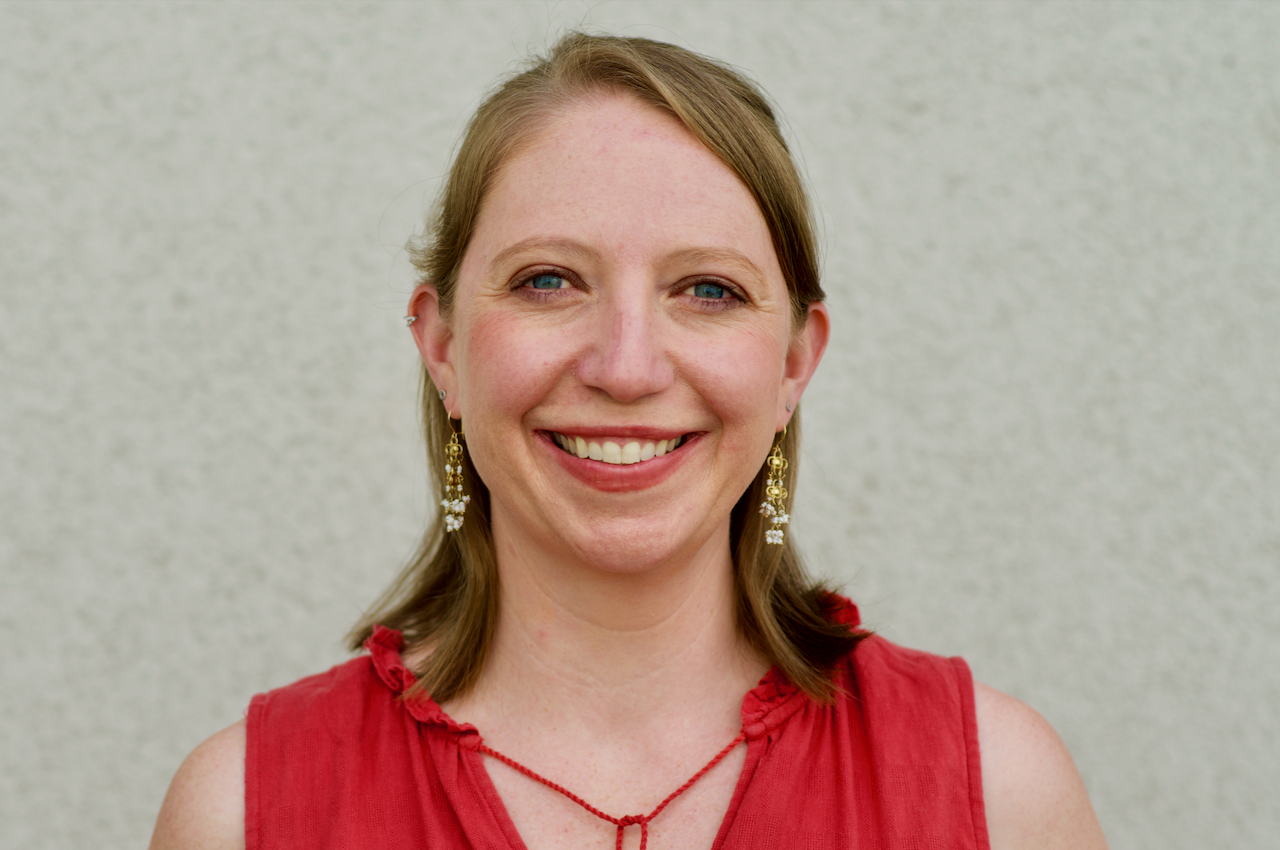
Bellingham High School Teacher Kesia Micheletti welcomes students to class.

Wild Whatcom is best known for our youth programs: Explorers Club, Neighborhood Nature (after school), Nature Preschool, and Summer Camps.

But did you know that we also offer free school programs in five districts across Whatcom County?

One of those programs is SEED, which serves K-12 students who spend part or all of their day in special education classrooms. According to the research study Disabilities, urban natures and children’s outdoor play, “Children with special needs tend to visit green space less often than typically developing children”

Our local special education partners agree. One elementary school teacher told us:

Oftentimes, students with disabilities come from homes that are overwhelmed and impacted. Getting outdoors is often not a priority, or manageable for a parent or parents. This program has provided opportunities for my students to engage with the world around them and learn about their community. I notice that after Wild Whatcom [outings], my students come back to class more regulated in tune with themselves and their surroundings, increasing their ability to positively engage throughout the rest of their school day.

To better understand the SEED experience, we spoke to Kesia Micheletti, Special Education Teacher at Bellingham High School. For the past three years, Kesia has partnered with Wild Whatcom to offer SEED to students in both secondaryl and elementary school classrooms.

Wild Whatcom: Why did you decide to start working with Wild Whatcom?

Kesia: (SEED) was a program I inherited at the elementary level, then when I moved to the high school, I was excited to learn that it was at that level too!

Wild Whatcom: How would you describe your working relationship with Wild Whatcom?

Kesia: The staff are incredible and always come with such infectious joy for outdoor education. 

Wild Whatcom: What are the most significant impacts of SEED for your students?

Kesia: It is rare that students with significant disabilities get to enjoy the outdoors through an educational lens, so it is awesome that this programming is offered in Whatcom County!

Wild Whatcom: Do you have an example of the benefits for an individual student?

Kesia: (I had) a student in elementary school who would escape from spaces such as the classroom or cafeteria frequently so I was nervous when we were planning our first trip out into nature; but this student became calm, focused, and stayed with the group with very positive contributions to learning outdoors. This continued all year. He truly enjoyed the outdoors and I think did his best learning when we were outside.

Wild Whatcom: What is a SEED activity that has been a hit with your students?

Kesia: They love it when there is something they make or use in nature. For example one big hit was the paper towel binoculars. They also enjoyed collecting things to make bee homes from paper towel holders as well. 

Wild Whatcom: How does Wild Whatcom support you as an educator to participate in SEED?

Kesia: I love that they are always willing to support me in my planning for before and after. They all come with fantastic ideas of how to serve all levels of students and they never shy away from any level of learner! They differentiate with materials so all can enjoy!

Kesia Micheletti has been a Special Education Teacher for 19 years. She mostly taught in adaptive classrooms her entire career for Portland Public Schools (at the high school and transition age programs), and recently joined the Bellingham School District; she teaches at Bellingham High School, and has also taught at Cordata Elementary school. She believes that outdoor education is one the most inclusive spaces we can serve all students and sees the benefit  in and out of her classroom for students spending time in nature.

Want to support inclusive outdoor education for students throughout Whatcom County? Donate today!

Demystifying DAFs

Do you DAF? If you aren’t a big investor, you may not recognize this acronym. To help you understand this charitable giving option, and decide if it’s right for you, we recently talked to Brad Tuininga, Vice President of Philanthropy at the Whatcom Community Foundation. Here’s what we learned:

Wild Whatcom: What exactly is a donor advised fund (DAF)?

Brad (WCF): A Donor Advised Fund (DAF) offers a streamlined, flexible, and tax-efficient way to support the causes you care about. By establishing a DAF with Whatcom Community Foundation or another qualified charitable sponsor, you make an irrevocable contribution of cash, appreciated securities, real estate, or other assets. As the fund advisor, you retain the ability to recommend grants to eligible nonprofit organizations at your convenience. Your contributions may be eligible for immediate tax benefits, and you can take time to thoughtfully plan your giving strategy. WCF handles the administrative and compliance responsibilities, allowing you to focus on your philanthropic goals.

Wild Whatcom: Is there a minimum amount needed to start a DAF? How about to get the tax benefits? 

Brad (WCF): With WCF, the minimum to open a (non-endowed) DAF is $5,000,  For an endowed DAF, it’s $10,000. There are no minimums for potential tax benefits.

Wild Whatcom: How does an endowment DAF differ from a standard DAF?

Brad (WCF): An endowment means it’s managed in perpetuity; the original contribution(s) remain invested in the fund, and only earnings are disbursed (generally 4-5% annually). Endowments are good for people interested in leaving a legacy and/or providing ongoing support for organizations or causes they care about over the long-term.

Wild Whatcom: How does working with Whatcom Community Foundation differ from working with national firms like Fidelity and Schwab, or another entity like National Philanthropic Trust (NPT)? 

Brad (WCF): There are many reasons that establishing your donor advised fund with Whatcom Community Foundation is a great option:

  • WCF is your local philanthropic partner providing expertise, insights and deep knowledge of local and regional nonprofits and community needs. While donors are in control of how their DAF is distributed, many donors look to WCF for advice and guidance on how their philanthropic dollars can have the greatest impact. 

  • WCF offers simplicity and flexibility. Donors can pool their charitable giving in one year and then disburse those dollars whenever they wish. A Donor Advised Fund is also a good way for a donor to maintain anonymity, if that is important to them. WCF does not require or unduly influence fund holders with where or how frequently they make grant recommendations from their DAF. 

  • When you decide where you want your disbursement to go, WCF will confirm the selected charities are in good standing; we also run a ‘hate screen’, to make sure they are not involved in activities that promote hate against any people or group. If anything comes up in our due diligence review, we discuss our findings with the donor to determine the best path forward.

  • WCF’s fees on non-endowed Donor Advised Funds begin at 2% of the funds balance; this may be a little more than a commercial firm, but the fees paid to WCF are an extension of your philanthropy, going directly back into community through our comprehensive philanthropic and nonprofit support activities locally and regionally. 

  • On average, WCF facilitates disbursement of nearly 15% of all philanthropic dollars that flow through us. This is significantly higher than private foundations who are only required to distribute 5% of their assets.

Wild Whatcom: What should a donor do to ensure their money gets disbursed in a timely fashion, and goes to the causes they care about?

Brad (WCF): Ensuring that your DAF benefits the nonprofits and causes you about is simple; you choose the specific charities and disbursement amounts yourself by using our secure online portal or by emailing WCF staff. We will email you confirmation when your grant is made 

Wild Whatcom: What happens to the funds in a DAF if the donor doesn’t give explicit instructions for distribution?

Brad (WCF): Donors have the right to distribute money from their DAF as frequently (or not) as they wish. If a DAF becomes inactive, WCF staff will offer support and/or guidance to encourage support for timely community needs; however, donors are not required to make distributions with any frequency and can choose the time that is right for them. 

For donors who want to plan legacy giving by bequeathing funds to WCF, we also offer the Madrona Society. This option allows donors to consolidate their philanthropy in their will or trust document by naming WCF as the beneficiary of their philanthropy. WCF staff then partner with the individual or family to document a Bequest Intention Agreement that details the organizations, funds, projects or program they would like to support through their estate. The Bequest Intention Agreement can be updated at anytime and there is no cost associated with making these changes. 

Want to learn more? Here’s a great DAF one-pager from Brad and Whatcom Community Foundation.

For a deeper dive, including the significant growth of DAFs nationwide, whether regulation is keeping up, and problematic aspects of fund distribution, read The Independent Report on DAFs (April 2025) 

Interested in donating to Wild Whatcom from your DAF?Use the DAF Pay option on our donation page to donate from 20 different DAF managers, or initiate your donation directly from your DAF account. If you already have a DAF with WCF, you can make a grant today using the online portal or contact Brad to start your grant.
Get Active With Us!

Are you feeling that summer energy boost? Put it to use for good!  We’re looking for a wide range of volunteers this summer. Whether you want to join the fun of summer camps, flex your skills on one of our committees, or step up to help map our path forward as a board member, we want to here from you!

This is also your last call to join us for our functional fitness fundraiser in partnership with Evergreen Strength. READ MORE…

Tree Planting Party April 5th

On Saturday, April 5th, 10:00AM-12:00PM, Wild Whatcom is hosting a tree planting work party on one of our favorite Whatcom Land Trust properties out in the County near the Mount Baker Highway (Hwy 542) and Smith Road!

In just two short hours, you can help us give back to a beautiful nature space that our youth programs have explored and learned from over many years.

Will you join us? Here's the link to sign up as a volunteer tree planter. We'll respond with all the details including exact directions!

NOTE: The work party is open to all ages, but we will be focused on the planting process and there are no bathrooms available. 

Sign up today, bring a friend or your kids, and let’s plant some trees!

February 2025 Wild Connections

Wayfinder photography outing. Courtesy of Lauren McClanahan, BYMP, January 2025

Whether you're registering your kids for camp, or need a little fun for yourself, we want to help your family find nature time that inspires curiosity and wonder! This month’s newsletter covers our Wayfinders’ nature photography outings, sign-ups for 2025 summer camps and 2025-26 Nature Preschool, and our first ever Nature Show and Tell event. READ MORE

January 2025 Wild Connections

Kids connect with trees during Neighborhood Nature, one of our School Programs.

We have a job opening on our management team! The School Programs Manager oversees and leads all school based programs. Do you know someone who may be a good fit for this position - maybe even you? Read the job description and how to apply!

ALSO, get ready to register for summer camps and preschool, join us for Nature Show & Tell, and check out our volunteer opps! READ MORE…